
Instructional Design for Neurodiverse Students
Digital Marketing & E-commerce Program Design at Tech UnlimitedI adapted Google’s Digital Marketing & E-commerce online course into a live, interactive curriculum for neurodiverse adult learners, incorporating learning frameworks like Bloom’s Taxonomy, UDL, and Connected Learning for a more engaging/accessible learning experience.
I took Google’s online digital marketing course myself in order to reconstruct the curriculum to fit the needs of neurodiverse students (e.g. autism, ADHD, dyslexia) with different learning challenges.
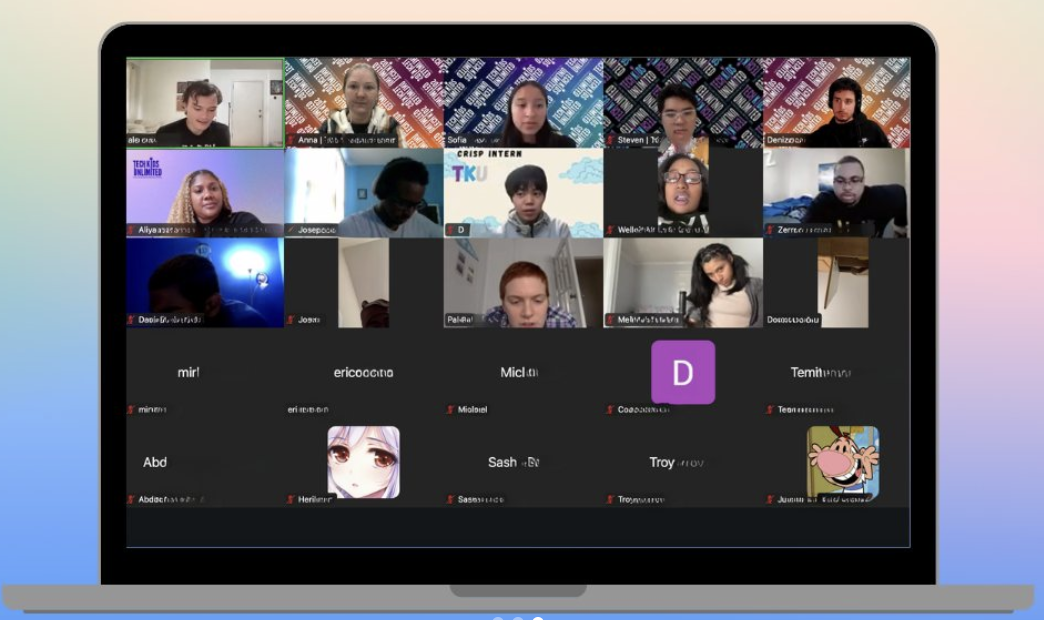
On top of creating the curriculum, I also instructed the entire course via virtual twice-weekly sessions over the course of 5 months with the assistance of a social worker, assistant teacher, and a counselor.
Project Overview
30
lessons developed/taught
1.5 hr
class sessions
22
students
83.67%
attendance rate
Stakeholders
Tech Kids Unlimited
Google.org
NYC Employment and Training Coalition (NYCECT)
My Roles
Instructional Designer
Teacher
Program Administrator
Duration
1 Year
Feb 2023 - Feb 2024
Learning Solution
30 slideshows taught through live 1.5 hour Zoom meetings
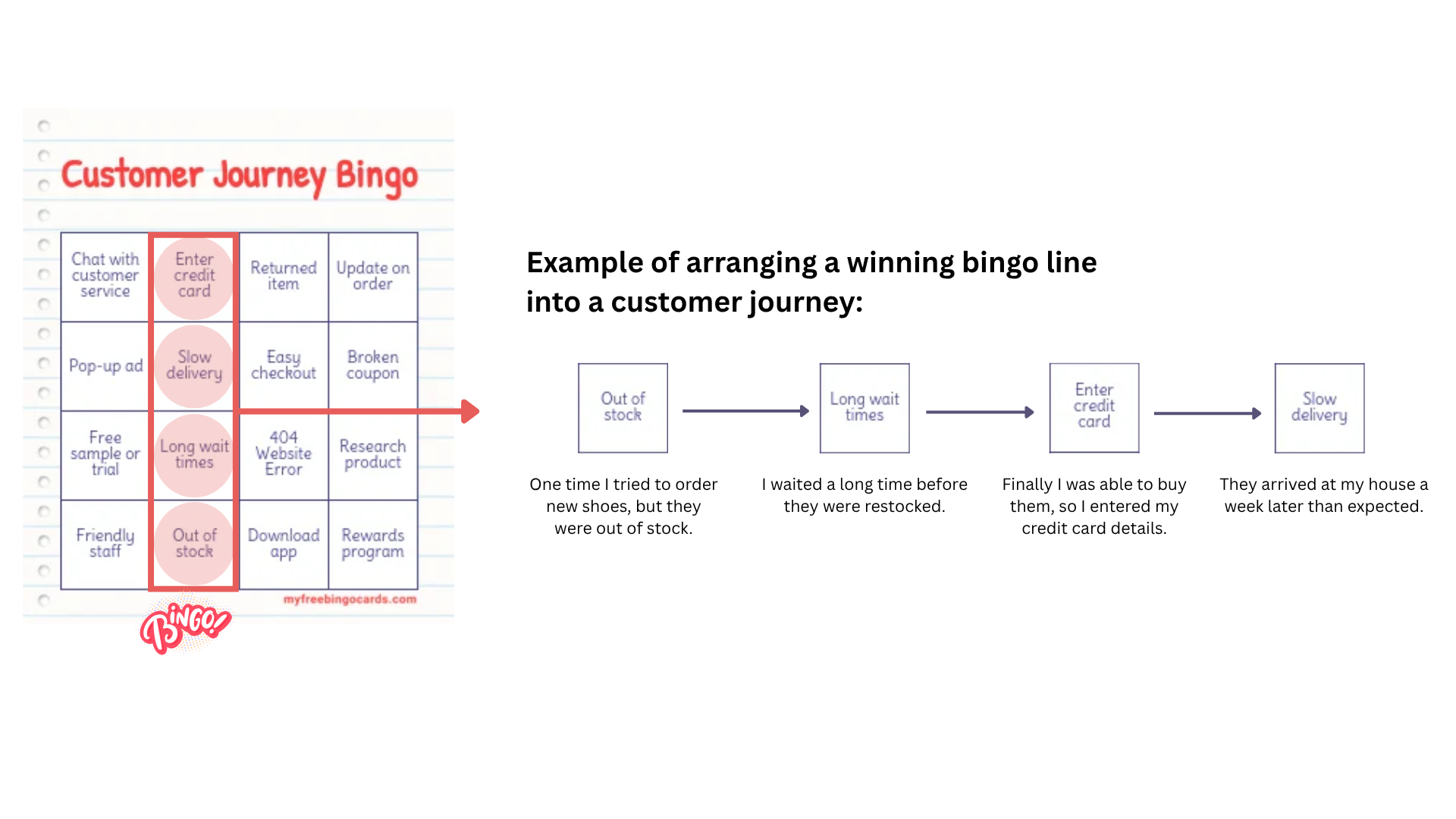
Click Images to View Activity Samples



Learning Principles Used
-
Universal Design for Learning is a teaching method for developing curricula to support all students, including students with disabilities. It involves giving students multiple means of the following:
Representation (The What): Give information in multiple formats, such as text, audio, video, or hands-on activities.
Action and Expression (The How): Let students choose how to show what they know, such as through writing, speaking, or making a video.
Engagement (The Why): Find different ways to motivate students and connect with their personal interests.
-
An SEL (Social-Emotional Learning) curriculum is an educational framework that teaches students how to understand and manage their emotions, set positive goals, show empathy for others, maintain healthy relationships, and make responsible decisions.
-
Definition: Bloom's Taxonomy is a framework for categorizing educational learning objectives into six levels of complexity:
Remember
Understand,
Apply
Analyze
Evaluate
Create.
:
Example: Before asking students to analyze social media metrics, I checked for their Understanding of the word “metric.”
-
Connected learning integrates personal interests, supportive relationships, and access to opportunities.
Application: I designed interest-based icebreaker questions that connected student interests to lesson objectives and concepts.
-
Gamified learning is a teaching approach that applies game design elements to learning.
Application: I incorporated Kahoot quizzes with leaderboards and open-source spin-the-wheel generators, which significantly boosted student engagement and added an interactive element to the learning experience.
-
Project-based learning (PBL) is a teaching method where students learn by actively solving a real-world problem or answering a complex question over an extended period of time. Instead of memorizing facts or listening to traditional lectures, students dive deep into a topic to create a practical solution, product, or public presentation.
Live polls, word clouds, scales for student engagement
Whiteboards for virtual student collaboration

Flexible slide decks for embedding videos

Gamified quizzes for reviewing content

Spin-the-wheel generators for gamified discussion topic selection
Instructional Design Toolkit 🔧
I only utilized free, online tools to engage students as per the nonprofit’s policy
Using Bloom’s Taxonomy to Structure Every Lesson
I used this instructional framework to ensure that every lesson progressively increased in cognitive difficulty so that students didn’t feel overwhelmed.
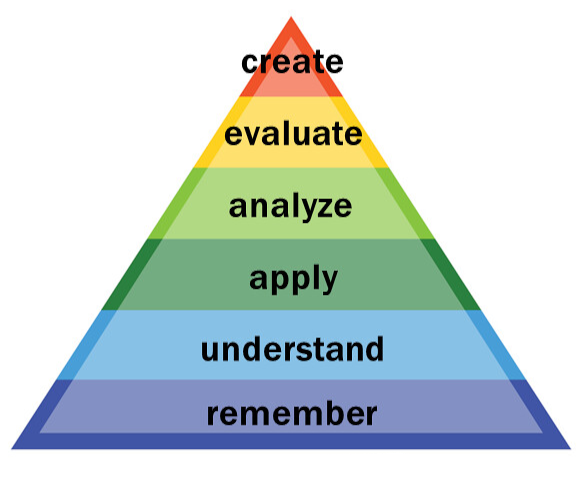
Bloom’s Taxonomy starts from the bottom up
-
Every session started with an emotional check-in as part of “Social Emotional Learning,” which is an educational method that aims to foster social and emotional skills within curricula.
I would give students a variety of GIFs with different emotions, and they would pick which they related to for the day.
-
Starting at the base of Bloom's Taxonomy, every session began with students recalling definitions of previous vocabulary words from memory or notes.
-
Every icebreaker was retrieval-based, prompting students to recall a personal experience connected to the lesson topic before introducing new content.
EXAMPLE
Vocabulary Word: A target audience is the group of people most likely to purchase a company's products.
Icebreaker Question: “What products are you most likely to buy?”
-
Next, I introduce the concept itself and pair it with a real-life example, giving students a concrete anchor to recognize the topic when they encounter it outside the classroom.
-
Students engage in a hands-on activity that reinforces the topic using free, accessible online tools.
Example: To warm students up for a lesson on SEO keywords, we played Say What You See, a free Google Arts & Culture game where students practice writing accurate, descriptive captions for images. This builds the core skill of precise, keyword-relevant language before applying it directly to SEO concepts.
-
Students examined real-world digital marketing ads, analyzing elements like the intended target audience, the ad's place in the marketing funnel, and other key strategic choices.
-
Students applied their new learning to hands-on work that mirrored real digital marketing tasks whenever possible.
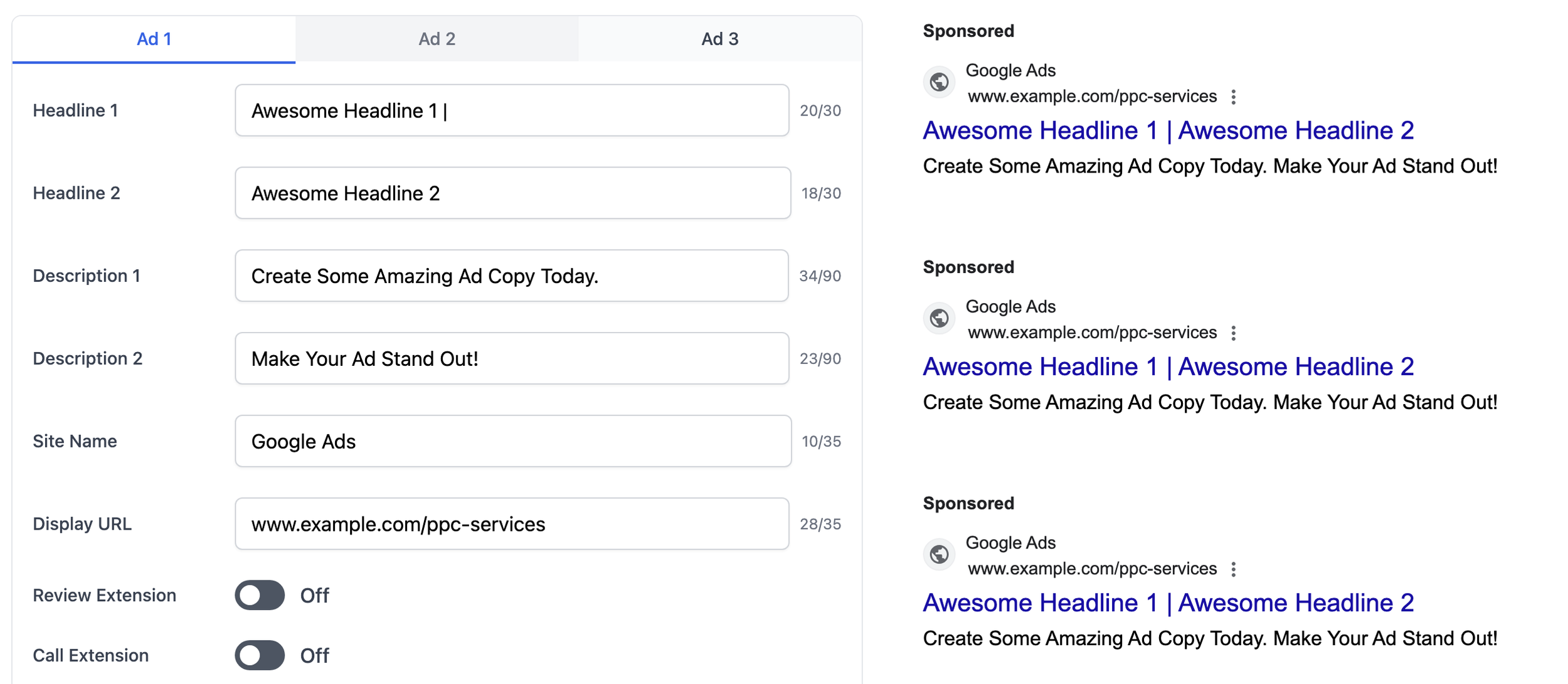
Example: Students used a free online Google ad mockup generator to make ads for two different target audiences of company of their choice.
Sample Lesson
The Topic: Target Audiences
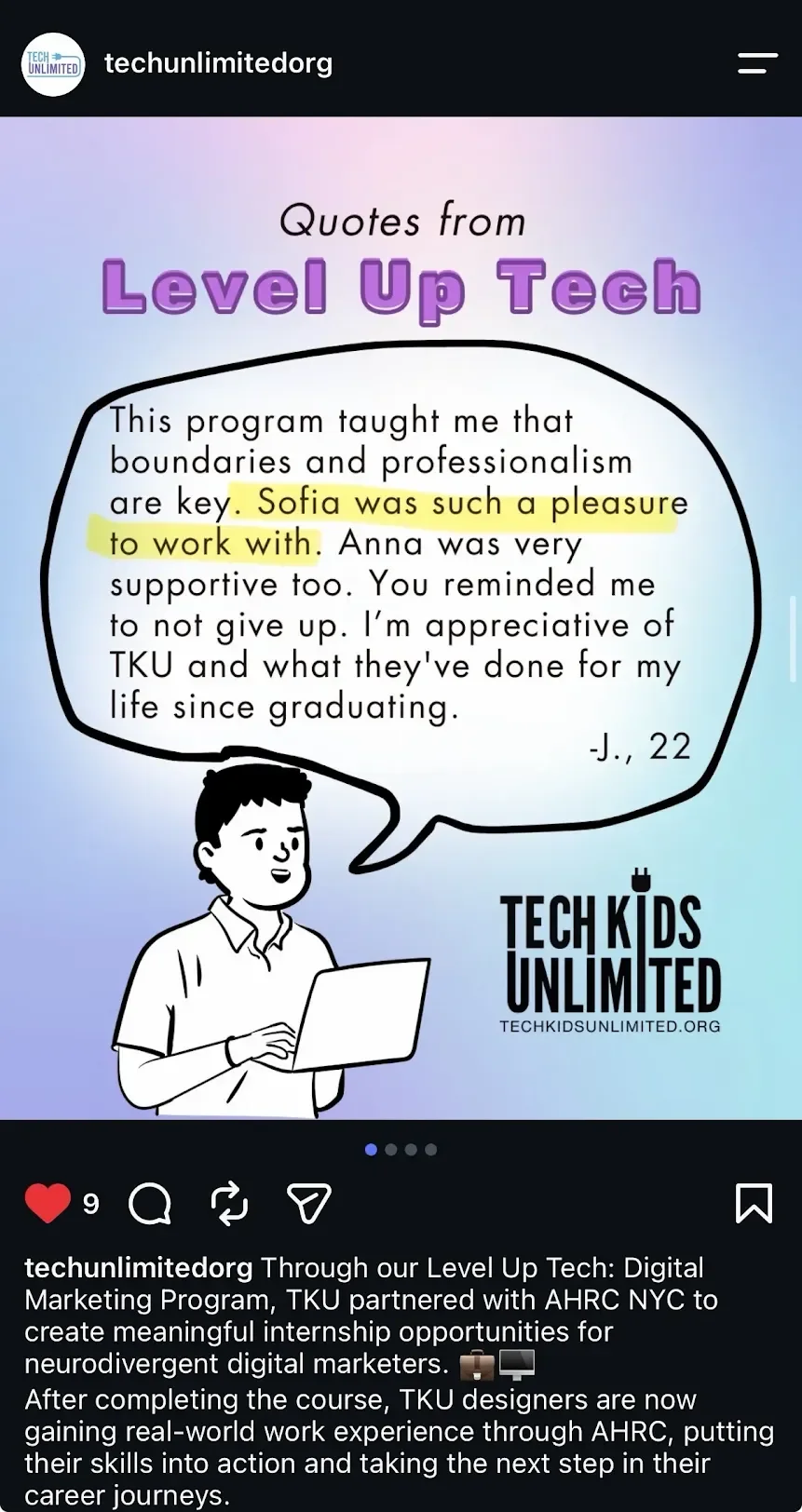
Student Feedback
(I’m working to recover some more student feedback from a survey I ran at the end of the program!)